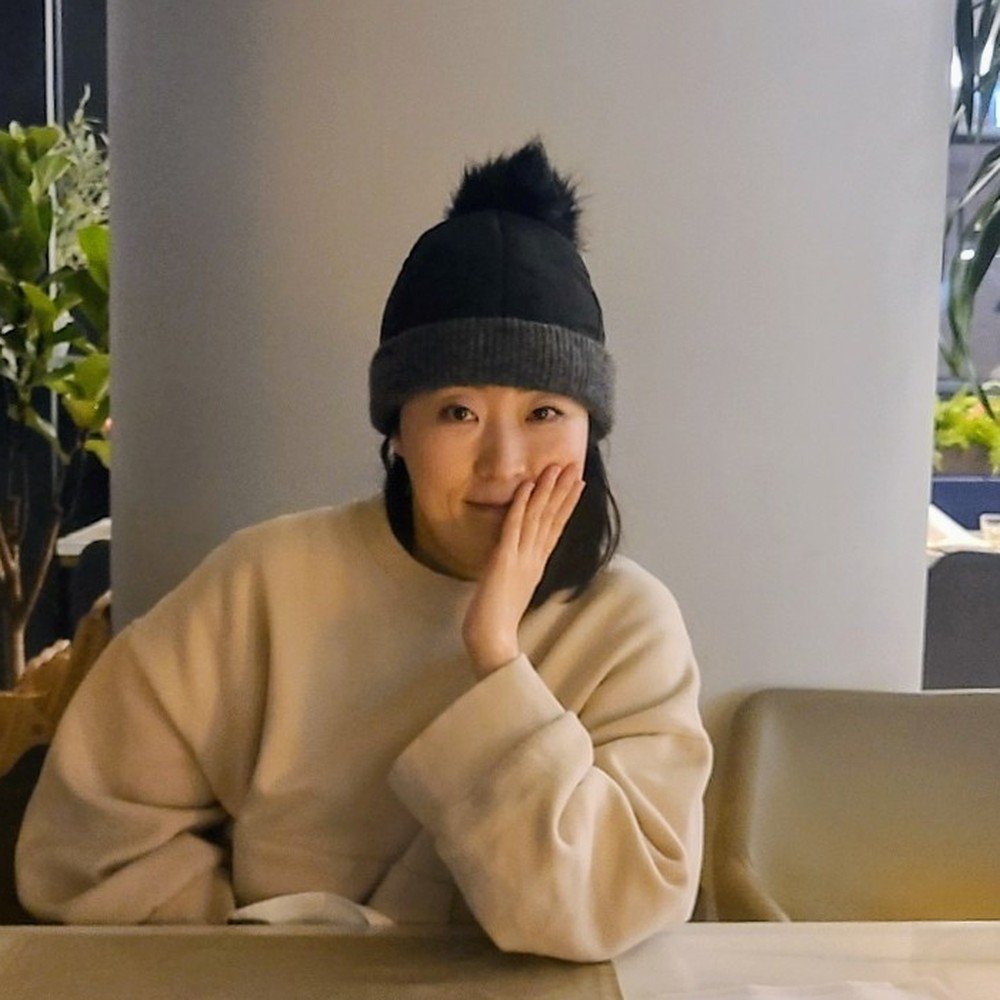
Hi — I’m Minhyung Cha, and I’ve spent the last twenty-five years teaching Korean.
For more than fifteen of those years I also ran an English academy in South Korea, which means I have spent my working life on both sides of the same problem: watching Korean students struggle with English, and watching English speakers struggle with Korean. The two are not symmetrical, and the second one is badly served.
Korean English Lab exists because of a gap I kept running into.
The gap
Most English-language Korean material stops at the word list. It will tell you that 형 and 오빠 both mean “older brother.” It will not tell you that the word depends on your gender rather than his, which is the only part that matters when you actually open your mouth.
It will teach you 파란색 for blue, and then leave you standing at a crossing in Seoul wondering why the person beside you just called a green light 파란불.
Those are the gaps between knowing a word and being able to use it, and after twenty-five years in a classroom I know exactly where they are, because I have watched hundreds of learners fall into every one of them.
How these guides get written
Every guide on this site is written from scratch, by me, and it goes through the same process:
- It starts from a real question. Usually one a student has actually asked me, or one I keep seeing asked badly online.
- Every Korean example is checked as a native speaker — not just for grammatical correctness, but for whether anyone would really say it that way.
- Where a claim is factual, it is sourced. Company title systems, dictionary definitions, survey figures — those carry a link at the bottom of the article so you can check them yourself.
- Where something is contested, I say so. 초록불 and 파란불 are both used. 압존법 is officially discouraged but still enforced in some offices. Pretending otherwise would make the guide neater and less useful.
- Every chart on this site is made here, for that specific article. Nothing is pulled from a stock library.
Guides get updated when I find something wrong or missing. Several have been substantially rewritten since they were first published.
What you’ll find here
- Grammar explained properly — particles, honorifics, sentence endings, conjugation. The parts that look like memorisation and are really systems.
- Vocabulary that comes with context — family terms, job titles, colours, counters. Not lists; the rules behind the lists.
- Korean you’ll use in Korea — ordering food, shopping, the subway, drinking etiquette, what to say when you’re sick.
- Culture where it changes the language — 눈치, 정, 반말, why nobody uses your name at work.
Alongside the blog I make printable learning materials — Hangul phonics flashcards for beginners, traveller phrase sets, worksheets and resource packs — available through Etsy and Teachers Pay Teachers. They come out of the same classroom experience the articles do.
Who this is for
People who got into Korean through a drama or a song and want to go further than the subtitles. People who are moving to Korea, or visiting, and would rather not be helpless in a restaurant. Homeschooling families. And self-teachers who have hit the wall where the free apps stop explaining things.
You don’t need to be studying seriously to get something out of this site. But if you are, everything here is built to hold up.
Get in touch
If something on this site is wrong, tell me — I would genuinely rather know. If there’s a topic you want covered, tell me that too; a good number of these guides exist because somebody asked.
Minhyung Cha
cmh337@nate.com